top of page


BETTER SLEEP,
BETTER LIFE.
Search


The Self-Care Habit That Changes Everything: Better Sleep with the Finch App
Sleep isn't a luxury or something we earn after finishing everything on our to-do list. It's one of the foundations of our overall health and wellbeing.
When we sleep well, we're often better equipped to handle stress, regulate our emotions, think clearly, and make decisions. We have more energy for work, family, exercise, hobbies, and the everyday activities that help us feel like ourselves.


Menopause & Sleep: What No One Tells You
Women are two to three times more likely to develop sleep apnea, a condition once thought to affect mainly men. What’s more, women often have subtler signs - such as insomnia, headaches, or nighttime awakenings - so it’s easier for both patients and doctors to miss. When insomnia and sleep apnea occur together (a combination called COMISA), health risks increase, but so do opportunities for effective treatment.


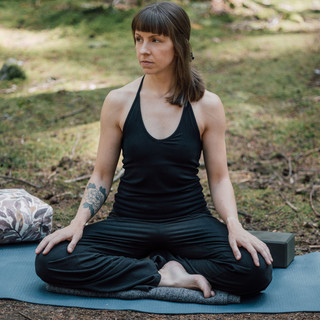
Moving Through Anxiety: How Yoga and Embodied Practices May Help
If you are one of the many people who have or do experience anxiety, you may recall being told to 'calm down' or 'take a deep breath.' Further to this, messaging in popular culture around integrating mindfulness and meditation as options for anxiety that have us sit - still and silent - can leave us swimming in a stormy sea of thoughts.
Angie Lamb
4 min read


Learning to Live Fully: Creating a New Relationship with Anxiety
Anxiety is loud, persistent, and incredibly convincing. And if you’ve tried everything from deep breathing to distraction and still feel stuck, you’re not alone. As a therapist who works with people struggling with anxiety, I want you to know: there is another way—one that isn’t about eliminating anxiety, but about changing your relationship with it.


Reconnecting with Nature: Better Sleep Quality and Mental Health
In today's fast-paced world, where the hustle and bustle of daily life often overshadows our well-being, one crucial aspect often gets overlooked: the remarkable impact of nature and daylight on our mental health and sleep quality. Numerous studies highlight that exposure to natural environments not only enhances our overall well-being, but also promotes deeper, more restorative sleep—a vital component of maintaining our physical and emotional health.


The ONE thing that can help achieve almost any New Year's resolution
What if I told you that the top 10 most popular New Year’s resolutions could be much more easily achieved by one single thing?


The Grief and Loss of Chronic Insomnia
Do you ever find yourself longing for the life you had before insomnia changed everything? Learn how acceptance and grief can help sleep.


Better Sleep for Shift Workers
If you’re a shift worker, or know someone who is, you probably already know how bad it can be for sleep. But there is room for improvement.

Lorraine Irlam, Registered Clinical Counsellor
10 min read


How Quality Sleep Can Transform Your Social Life
Research confirms that lack of sleep causes loneliness. If you find your couch wins over social plans after a bad sleep, you're not "alone".


End Daylight Savings Time For Sleep’s Sake
Daylight Savings Time (DST) has been an integral part of the lives of people across the globe. But is it actually beneficial?


Could insomnia be fuelling your relationship conflicts?
Insomnia is hard on relationships. When we're well-rested, it's much easier to cope and tackle any arguments in a calm, collected manner.


Expert sleep care at your fingertips!
One-on-one guidance from a sleep expert without having to schedule appointments. Our new digital insomnia program is the best of both worlds


Is your overactive mind keeping you up at night?
Is your overactive mind keeping you awake at night? How to calm your busy or anxious mind and get to sleep. Free downloadable worksheet.
bottom of page